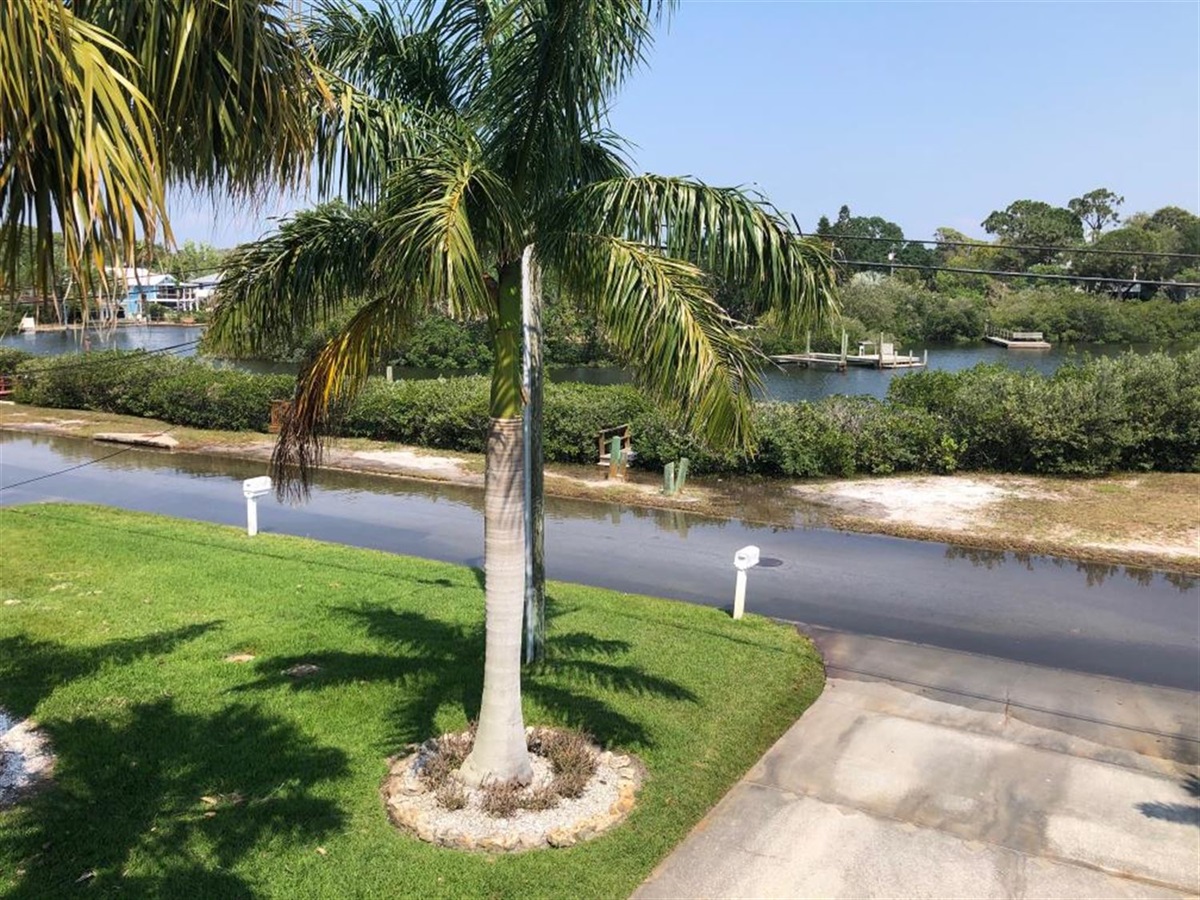
Sunny Day Flooding and King Tides
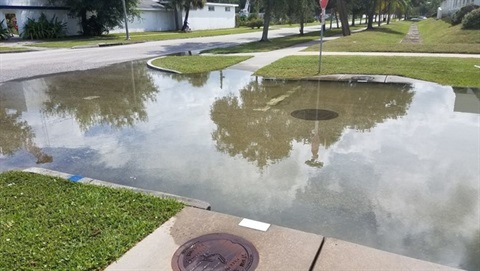
Sunny Day Flooding
Sunny day flooding occurs when flooding happens without rainfall, often during high tides or periods of elevated groundwater levels. This type of flooding is becoming more common in coastal communities like Clearwater.
Sunny day flooding occurs when:
- High tides push water into the stormwater system
- Groundwater levels rise and reduce drainage capacity
- Stormwater systems cannot fully discharge during peak tides
This can result in:
- Ponding of water on streets and in neighborhoods
- Water backing up through storm drains
- Temporary flooding in low-lying or tidally influenced areas
As sea levels gradually rise, sunny day flooding may occur more frequently and in areas that have not historically experienced flooding.
King Tides
King tides are periods of exceptionally high tides that occur a few times each year when the gravitational forces of the moon and sun align. While king tides are natural and predictable, they can increase the likelihood and severity of flooding, particularly when combined with other factors such as elevated groundwater levels or blocked drainage.
During king tide events, residents may notice:
- Higher-than-normal water levels
- Increased sunny day flooding impacts
- Temporary flooding in streets, yards and coastal areas
Why This Matters
Understanding the different types of flooding helps residents and the city plan more effectively.
More frequent flooding can:
- Disrupt daily activities and transportation
- Stress aging stormwater infrastructure
- Increase maintenance and long-term repair costs
- Affect property access and public safety
By tracking flooding patterns and investing in targeted improvements, the city can better manage current conditions while preparing for future impacts.
How Neighbors Can Prepare
Neighbors are advised to be vigilant during high tides and king tides. Take the time to be aware of the anticipated king tide dates, review important safety tips, evaluate your property's readiness, and review your flood insurance policy.
During high tides, neighbors are reminded to closely monitor their city-issued trash and recycling bins, and to remove them from the street as quickly as possible after they are emptied. If your street floods, you may want to store your solid waste bins in a safe and secure location until your next regularly scheduled collection day.
 Property Protection
Precautions you can take to protect your property from damage and reduce financial losses include:
- Purchase flood insurance.
- Address property drainage concerns, which may include regrading your lot.
- Construct barriers, such as a floodwall, to stop floodwater from entering the building.
- Relocate electrical panel boxes, air conditioners, water heaters, and washers and dryers to elevated locations.
- Install check valves in private drainage systems to prevent floodwater from backing up into private properties.
- Install storm shutters, impact windows, and a reinforced garage door for wind and rain events.
- Avoid storing chemicals and hazardous materials on the floor of your garage. Elevate them to shelving or upper levels if possible.
The city provides site visits, one-on-one consultations and advice to homeowners about property protection measures, such as retrofitting and drainage improvements. Call (727) 562-4750 for a city of Clearwater property protection consultation or site visit to evaluate drainage or retrofitting options.
How Neighbors Can Stay Safe
- Avoid walking through flood waters. It is dangerous and can be a health hazard.
- Avoid driving through flooded areas. Turn around, don't drown. In addition to being a threat to life safety, the salt water can lead to both short- and long-term damage to your vehicle.
- If you drive through areas with standing water, please know that creating waves can cause additional damage to surrounding homes and landscaping.
- Follow posted road closures and detour signs.
- Do not drive around barriers or damage private lawns.
- Be careful around manhole covers, as they can become dislodged by the high tides.
- Boaters are advised that high tides cause lower clearance under fixed bridges. Check the tides before leaving the dock.
Review additional information about flood insurance rate maps, coastal high-hazard areas, property flood depths, natural conservation areas and wetlands, flood insurance, and floodplain management regulations.
Resources
NOAA Tides and Currents for Clearwater
What King Tides Mean for Tampa Bay